Okay so I’ve been putting off writing this for a while because every time I sit down to do it I end up just going outside and driving somewhere instead. Which is kind of the whole point of having this thing working.
Here’s the deal. I converted a van. I live in it. It gets hot. The OutEquip black edition is what I’m running now and I have opinions.
Why I Went with This One
I spent probably three weeks going down every rabbit hole on the van life subreddits about 12V AC units. The white version was already getting decent reviews but I found the black housing and grabbed it because aesthetically it just looks way better on a dark van. That’s a dumb reason to spend $976 but also it’s my van and I’ll do what I want.
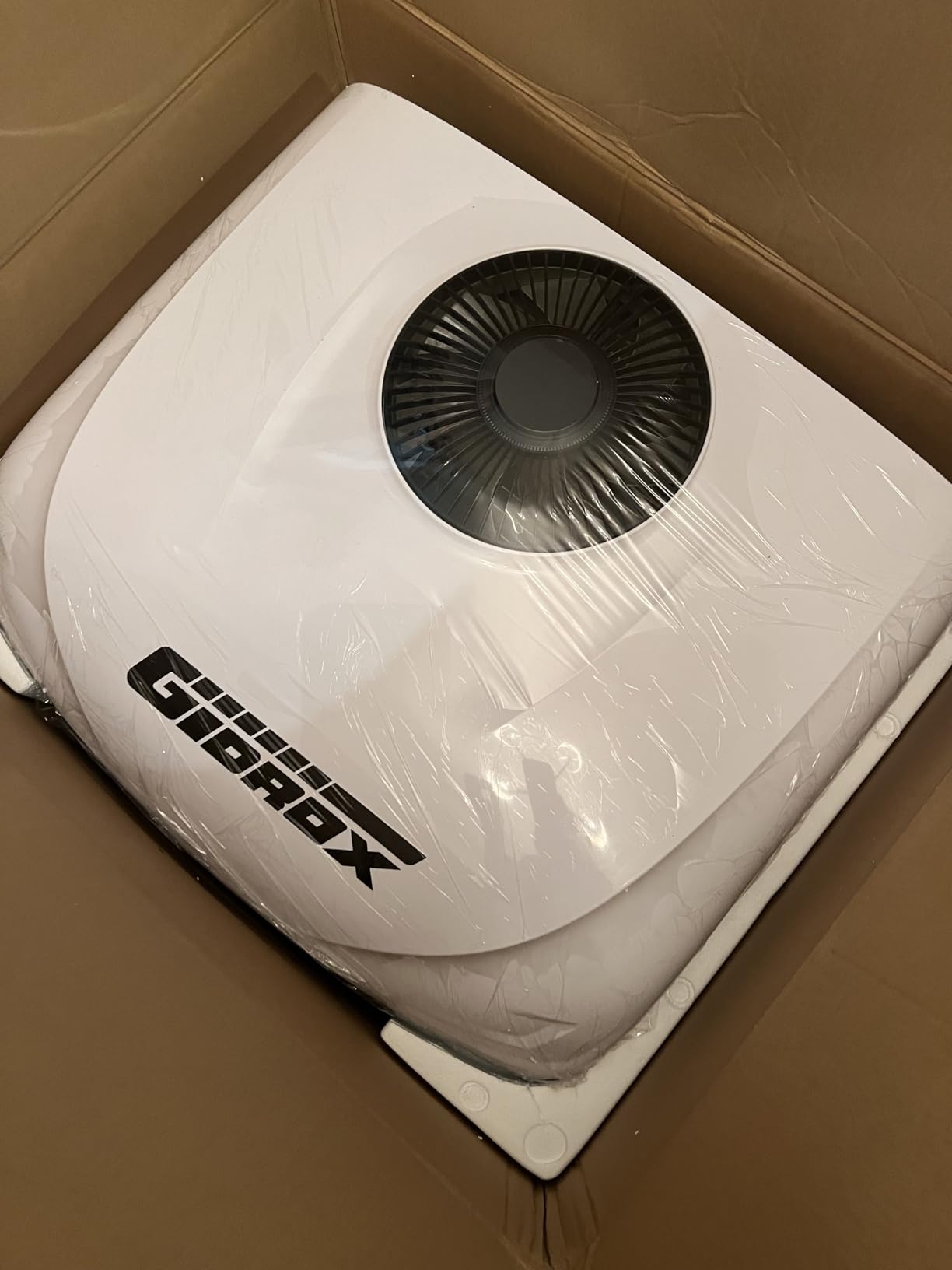
The actual reason it made sense: I’m not connected to shore power. Ever. I run on solar and lithium batteries. If you plug into campsites every night, just buy a regular 120V unit and call it a day. This is specifically for people who don’t do that.
The Black One Specifically
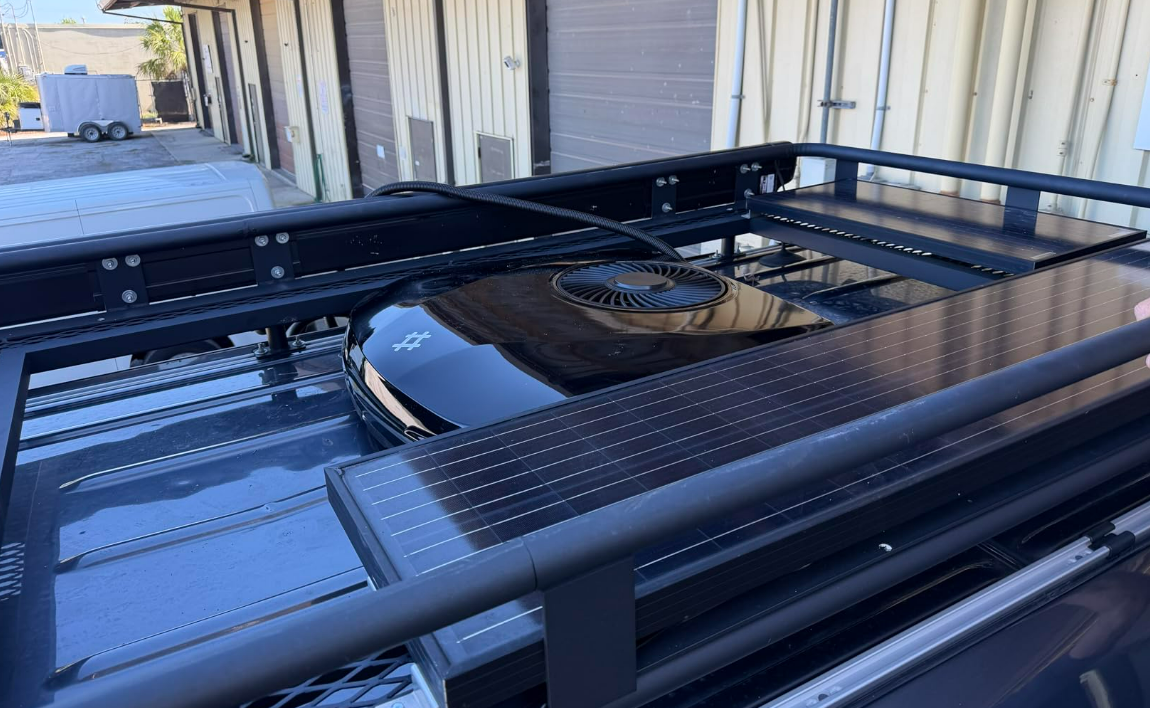
Same guts as the white version — 10,000 BTU, 12V/24V/48V compatible, same scroll compressor — just black housing. Which matters if your van is dark or you just don’t want a white rectangle screaming at people on the highway.
It also photographs better. Again, not the most important thing. But.
The Size Is the Whole Story
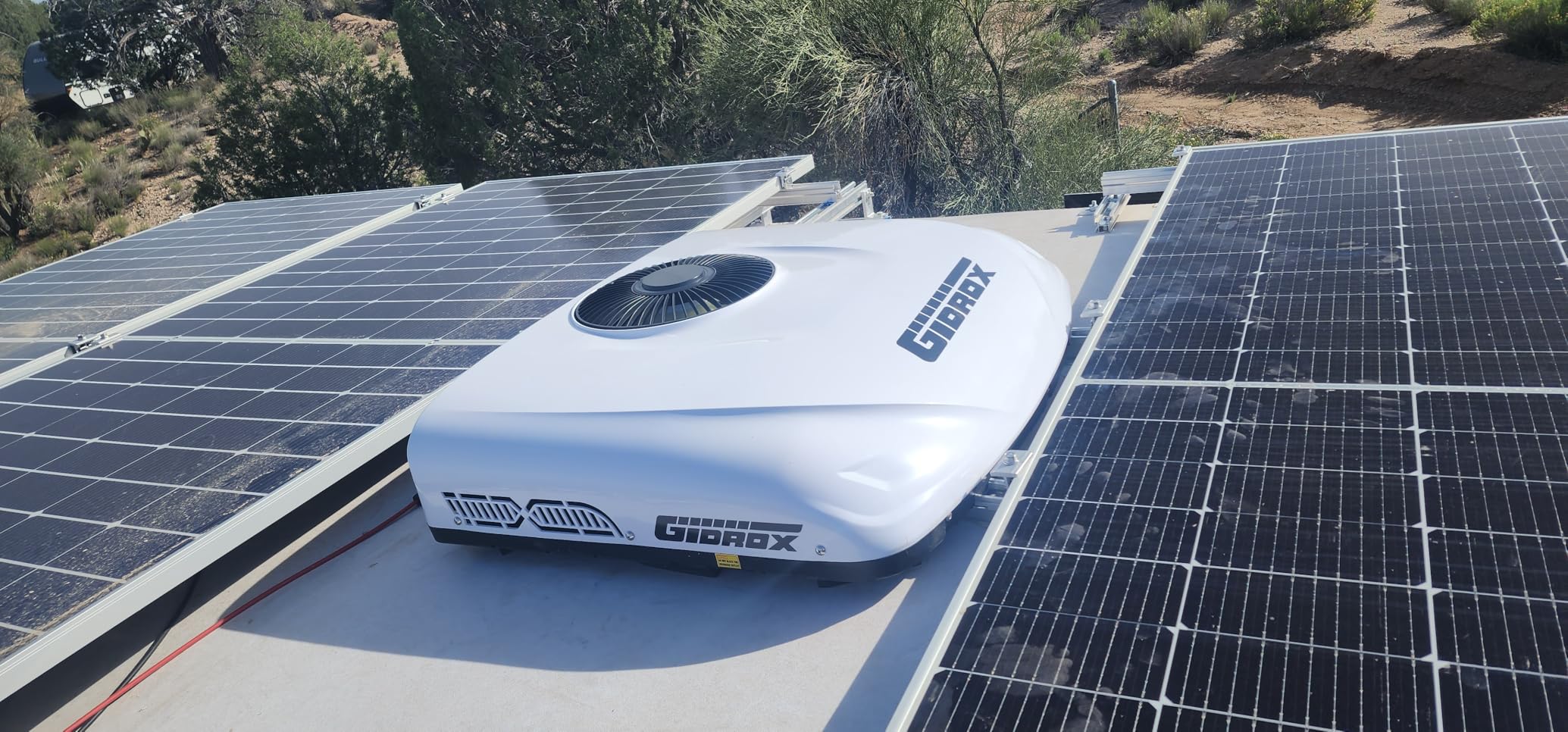
6.3 inches tall. The unit is 28.3 x 28.3 inches — square, which is unusual. Most rooftop AC units are long rectangles that eat your entire roof and leave you choosing between AC and solar panels.
The square shape means I can run panels on both sides with room to spare. I have 400W of solar flanking this thing and it doesn’t feel cramped.
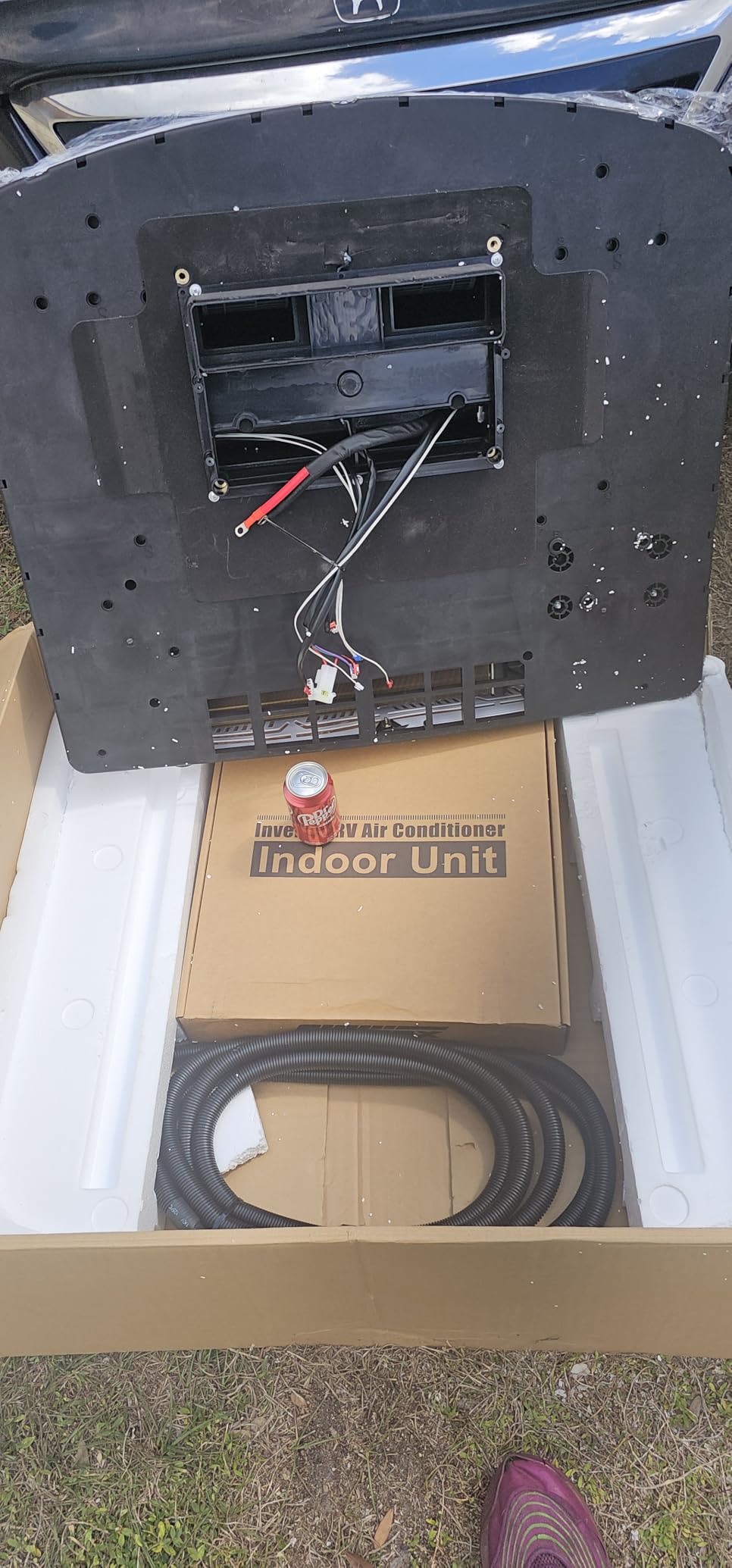
The 45-pound weight is also real. I’ve done heavier rooftop installs and this one I did alone without injuring myself or hating my life too much. That’s the bar. It cleared it.
What’s Inside (The Part That Actually Matters)
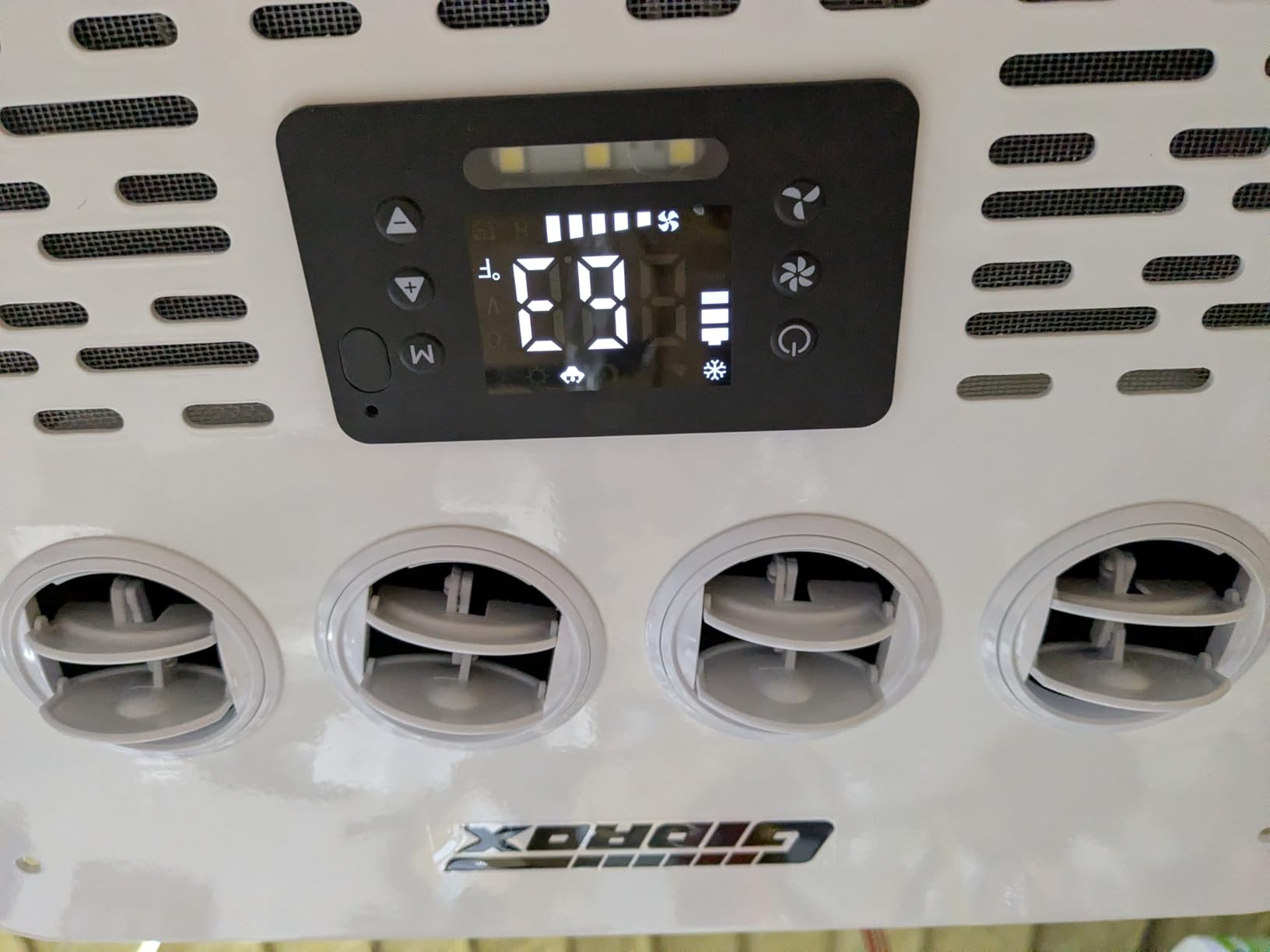
Copper evaporator, brushless copper motor fan, scroll compressor with variable frequency. These three things together are why this unit runs efficiently off a battery instead of sucking it dry in two hours.
The variable frequency part is the key one. It means the compressor doesn’t just slam on at max power and cycle off — it ramps up to cool the space, then backs down to maintain. Your battery draws a smooth curve instead of a spike every few minutes. Temperature inside stays steadier. Less noise cycling. Just… better.
On my 24V/200Ah lithium setup: full sunny day, battery ends around 90%. Overnight on eco mode in 85°F weather, I wake up around 50%. That’s livable. That’s actually great.
How Loud Is It
Not that loud. 40 dB on low. I’ve slept through it without noticing it was on. On turbo it’s audible — maybe 52-53 dB — but you only run turbo when you park somewhere brutally hot and need to drop the temperature fast. That’s a 20-minute situation, not a sleep situation.
The anti-vibration mounts mean it doesn’t transmit road noise into the cabin either. Previous vent fan I had would hum differently on different road surfaces and it drove me insane on long stretches. This thing just sits up there quietly.
The EPDM Gasket Thing

The EPDM gasket lifts the outdoor unit about an inch off the roof surface. This isn’t an accident — it’s so water can drain and not pool under the unit. Sounds minor until you’ve had a rooftop seal fail and dripped condensation on your bed for three weeks.
The gasket itself is 1.2 inches and compresses when you tighten the bolts. Tighten in X pattern, not just going around the corners. Compresses evenly, seals properly. Mine hasn’t leaked in several months of use including driving through rain.
Real Talk on Battery Runtime
The listing says 8 hours of cooling on a 12V 480Ah battery, 10 hours on 600Ah. That tracks with my experience as a ballpark.
What they don’t mention: this varies wildly based on ambient temperature, how well insulated your van is, and whether you’re running eco vs turbo. My van has decent insulation. Someone in a bare metal box with no insulation is going to see worse numbers.
If you’re seriously budgeting runtime, run 24V instead of 12V. Lower current draw for the same power, less heat in your wiring, happier battery. I should have built my system at 24V from the start. The reviewer on Amazon who said the same thing is right.
What Actual Buyers Are Saying

The review on a 2001 Ford E150 that’s been floating around is worth reading in full. The guy installed it on a van with a terrible two-tiered interior roof that made everything harder, got help from OutEquip’s customer support on positioning, and still got it working. His TL;DR: “Price is right, great customer support, does what you need it to do.”
He also said the heater isn’t that useful. He’s right. Skip to that section.
The bit about big-name brands charging a thousand to fifteen hundred dollars more for comparable specs? Also accurate. This is the unsexy truth about the 12V AC market right now.
5.0 stars, 11 reviews on Amazon →
The Heater: Save Your Money or Don’t
4,500 BTU PTC heater. It’s included in the “w/ heater” version. It works. It is not going to heat your van in serious cold. It takes the edge off at 45°F. Below 35°F you’re going to want propane.
I use mine maybe twice a month. If you camp exclusively in warm climates, buy the version without the heater and save some cash. If you do shoulder season and just want something when it dips into the 40s at night, the heater is fine for that.
Installed on Everything
People are putting this on vans, truck campers, trailers, boats apparently, and at least one converted bus someone posted somewhere.

The 14x14 inch standard opening means it fits anywhere that already has a rooftop vent or standard AC cutout. No weird custom fabrication required.
The van life build community specifically has been all over this because the square footprint fits roof rack systems better than rectangular units do. If you’re running an Aluminess or similar platform rack, you know exactly what I mean.
What Could Be Better
The Bluetooth app works but the UI looks like it was designed during the Obama administration. Functional, not pretty.
Remote range through a van body is maybe 15-20 feet. Not great if you want to trigger it from outside before you get in. App handles that better.
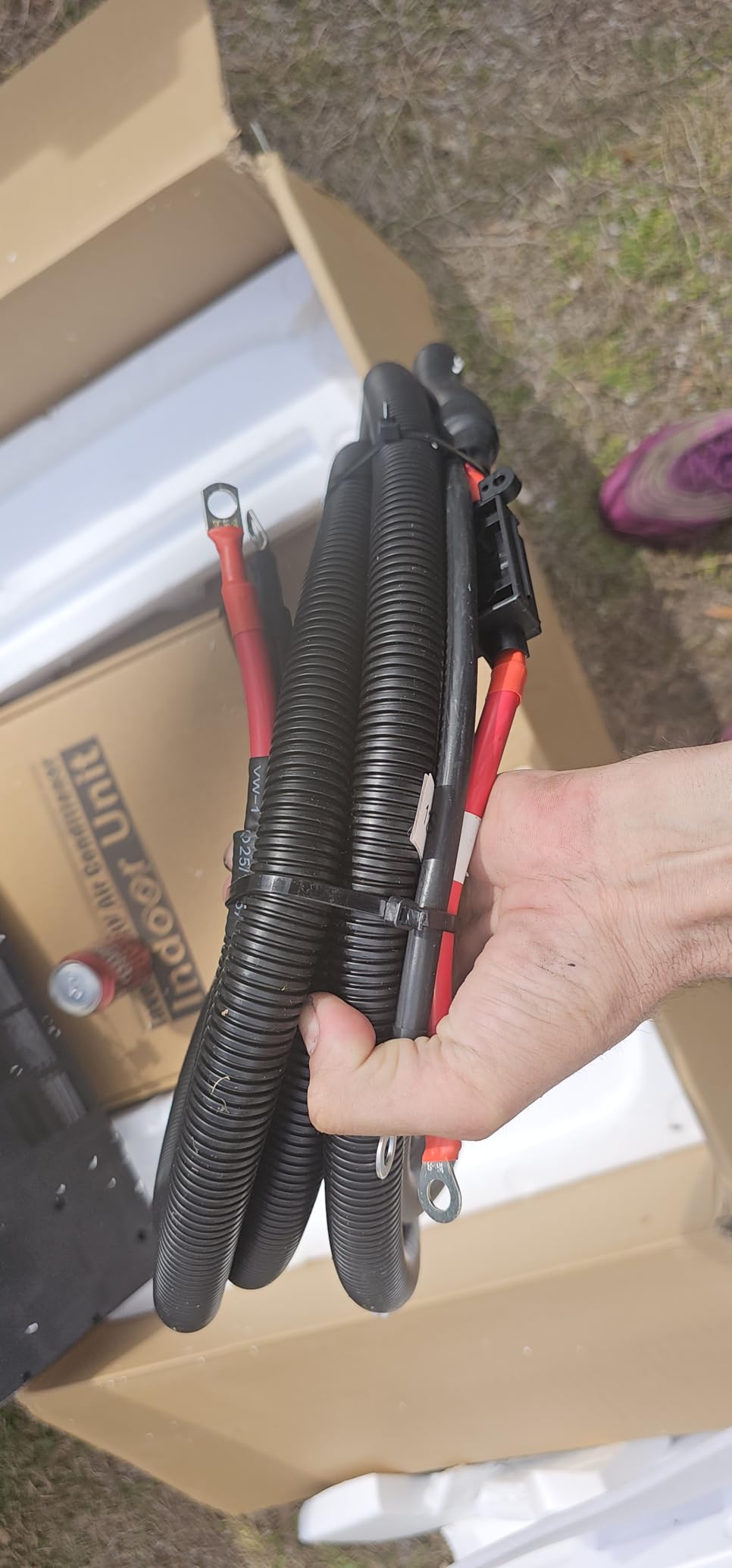
At 12V peak, this thing can pull 80+ amps on turbo. Use thick cable. The 6 AWG that comes with it is the minimum. If you’re routing a long run, go heavier. I used 4 AWG for my 10-foot run and had zero voltage drop issues.
The unit is non-returnable per Amazon’s policy. That’s the risk you’re taking on a $976 purchase. OutEquip’s customer support has been responsive from what I’ve seen in reviews, but worth knowing before you click buy.
Specs for the People Who Scroll to the Bottom
| Cooling | 10,000 BTU |
| Heating | 4,500 BTU PTC |
| Voltage | 12V / 24V / 48V DC |
| Airflow | 450 m³/h |
| Noise | 40 dB low / 53 dB high |
| Rooftop size | 28.3 x 28.3 x 6.3 in |
| Weight | 45 lbs |
| Temp range | 63°F – 86°F |
| Warranty | 1-year |
| EPDM gasket height | 1.2 in |
Bottom Line
If you’re off-grid on solar and batteries, this is the unit. The 12V DC compatibility, the square footprint for solar coexistence, the 6.3-inch profile for clearance, the variable-frequency compressor for battery efficiency — these aren’t marketing checkboxes, they’re the actual reasons it works for van life in a way that a conventional AC plugged into an inverter doesn’t.
If you’re on shore power, buy something else. This is not your product.
OutEquip 12V Black Rooftop AC on Amazon →
Affiliate link above — small commission if you buy, no extra cost to you.